
PRP & Peptide Therapy
Is regenerative therapy right for you?
These treatments work best for specific conditions and specific patients, and they're most often considered when an injury hasn't responded adequately to conservative care. Every plan begins with a consultation reviewing your history, examination findings, and imaging.
Conditions PRP may help
Chronic tendon injuries
Ligament sprains
Osteoarthritis
Persistent joint pain
Soft-tissue injuries slow to heal with conservative care
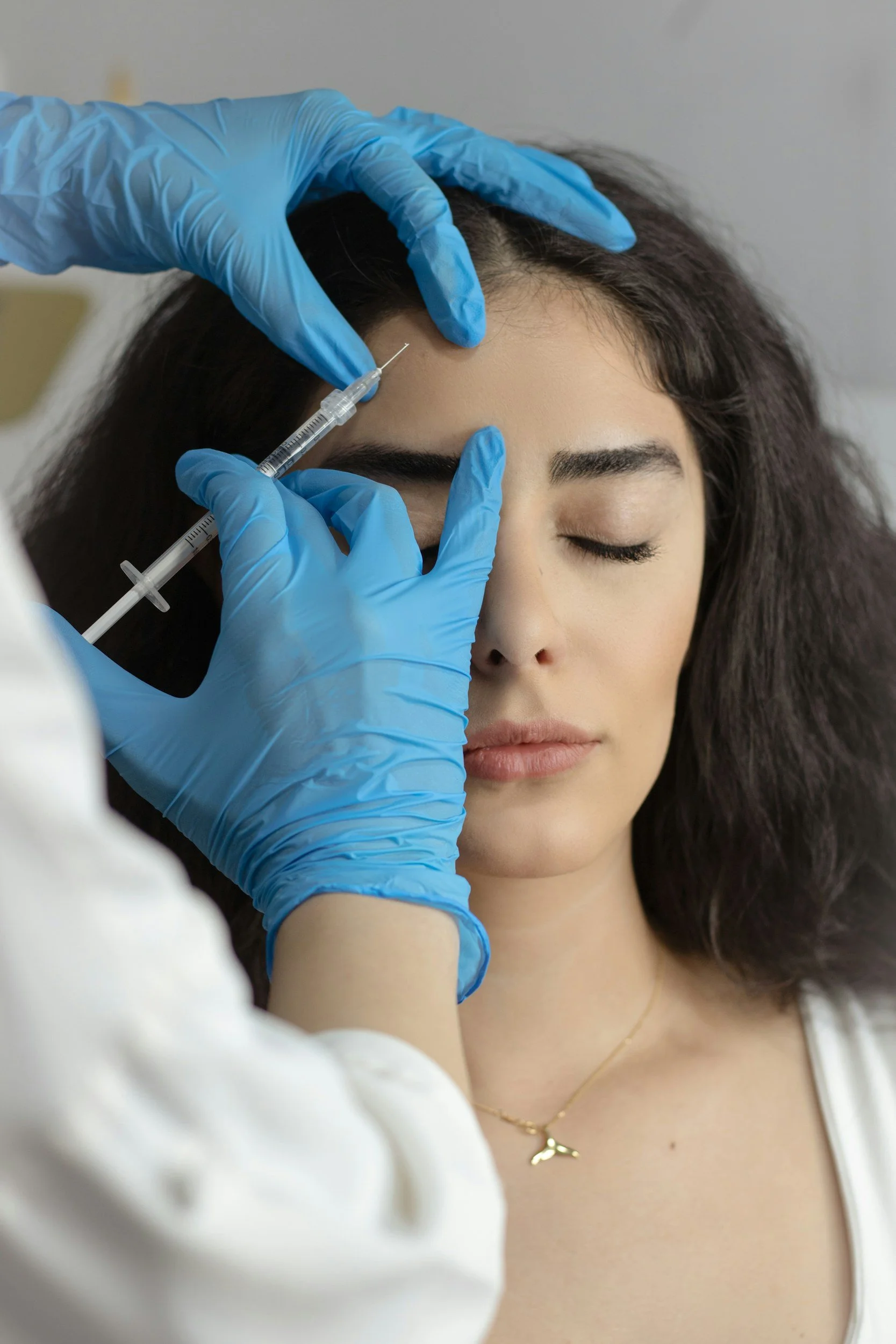
Regenerative treatments that work with your body.
Regenerative therapies use the body's own biological signals to support repair rather than simply masking symptoms. These services are led by Dena Porter, BSN.
Platelet-Rich Plasma (PRP) Therapy
Platelet-Rich Plasma therapy is a regenerative treatment that uses the healing properties found in your own blood to promote tissue repair and reduce pain. A small sample of blood is processed to concentrate the platelets, which are then injected into the injured area to support the body's natural healing response.
PRP therapy is commonly used for chronic tendon injuries, ligament sprains, osteoarthritis, and other musculoskeletal conditions, to help improve function, decrease pain, and encourage long-term recovery.
Peptide therapy
Peptides are short chains of amino acids that act as signaling molecules in the body, supporting processes related to recovery, tissue repair, and healthy aging.
Call (847) 662-1600 to inquire about PRP or specific peptides used